Optimal Timing for Landscape Drainage
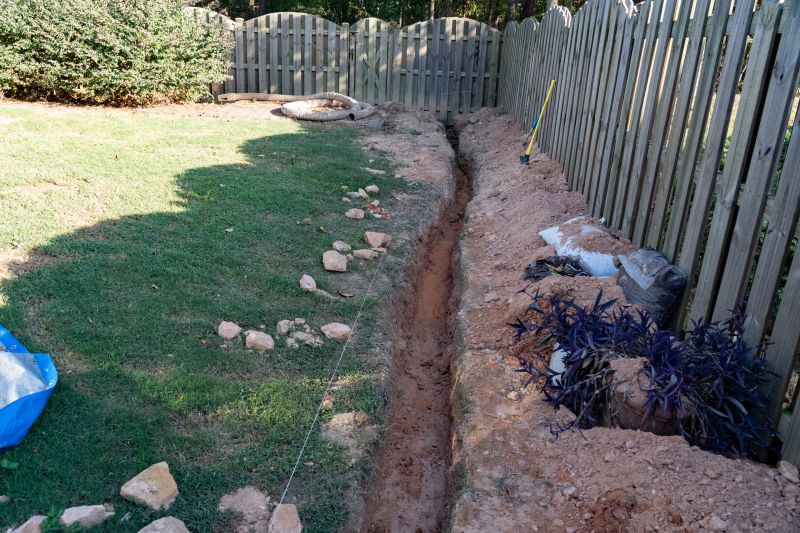
Spring offers moderate weather conditions ideal for installing landscape drainages before heavy rainfall.
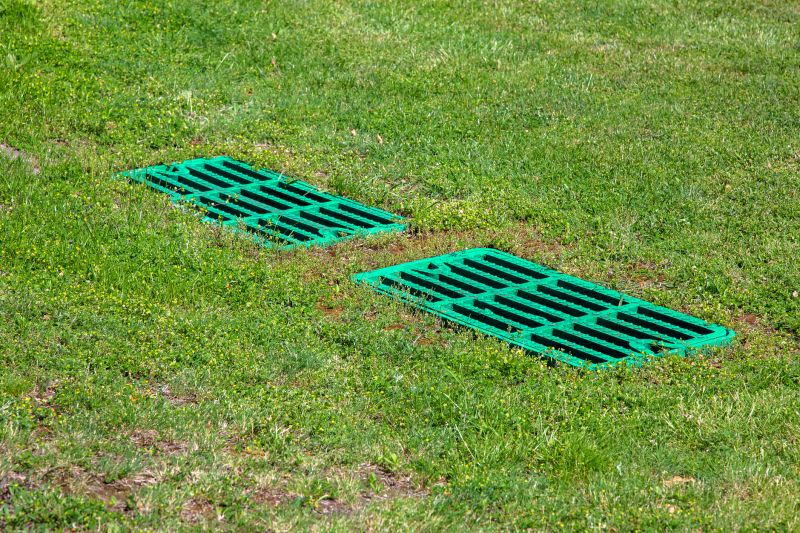
Summer allows for preparation and planning, but installation is best avoided during peak heat.
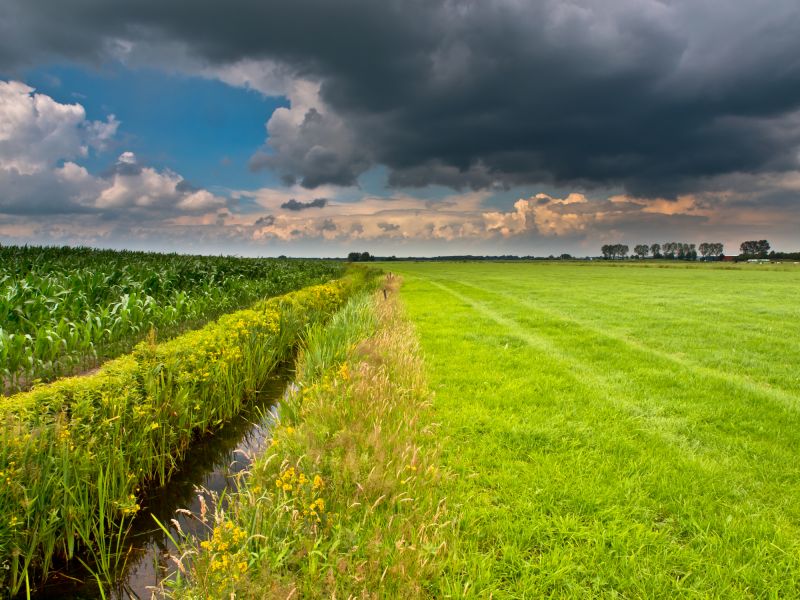
Fall provides cooler temperatures and less rainfall, making it suitable for completing drainage projects.
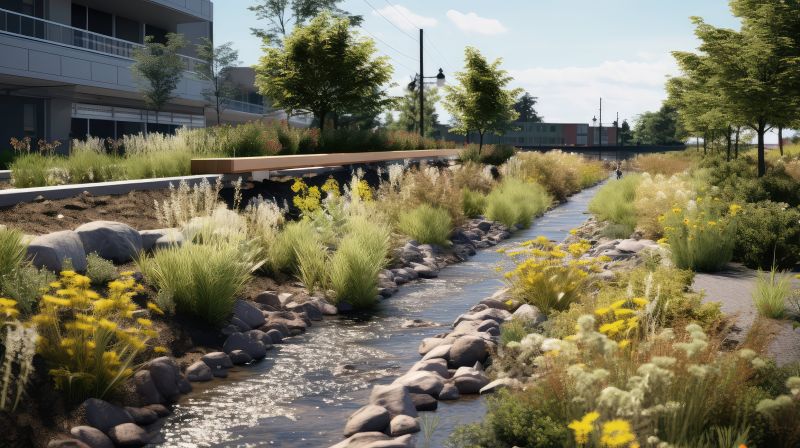
Ways to make Landscape Drainages work in tight or awkward layouts.
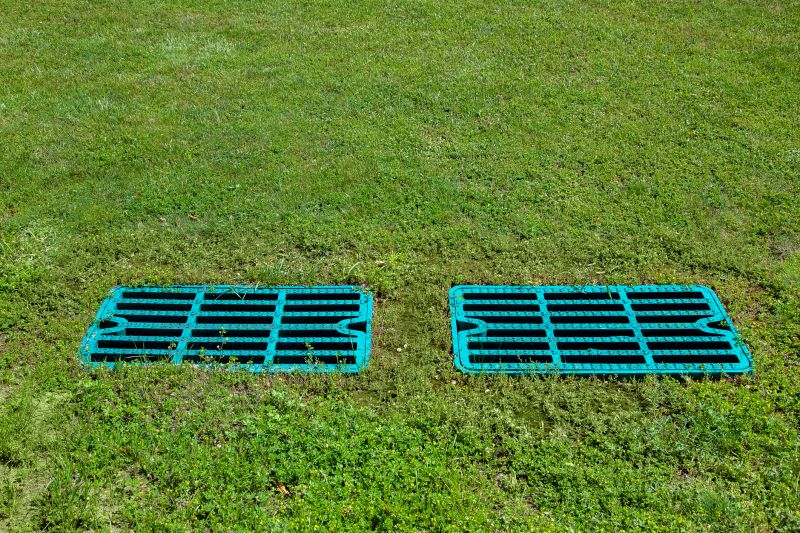
Popular materials for Landscape Drainages and why they hold up over time.
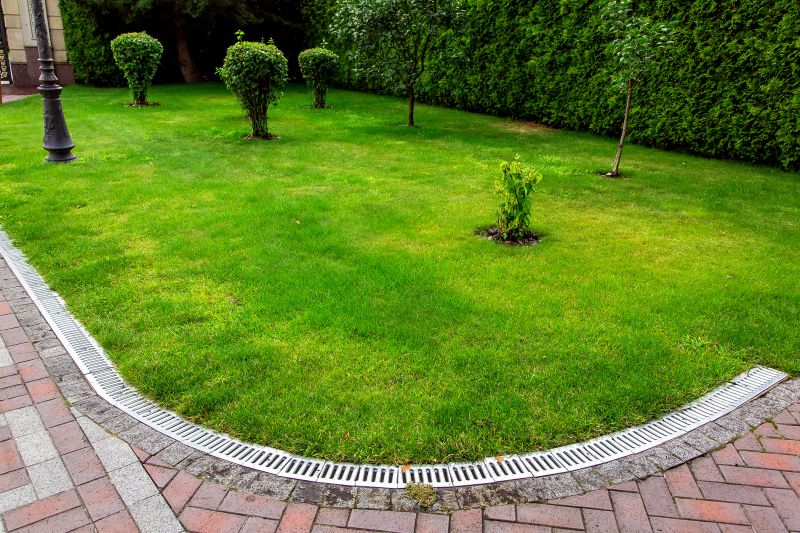
Simple add-ons that improve Landscape Drainages without blowing the budget.
Landscape drainages are essential components in managing excess water in outdoor environments. Proper drainage prevents erosion, protects plant roots, and maintains the integrity of landscapes. The timing of installation can significantly impact the effectiveness and longevity of drainage systems.
Optimal installation periods depend on climate, soil conditions, and project scope. Typically, the best times are during seasons with moderate temperatures and minimal rainfall, allowing for proper setting and testing of drainage systems.
Spring is ideal for starting drainage installations due to favorable weather and soil conditions.
Winter is generally unsuitable due to freezing temperatures and frozen ground, which hinder excavation and setting.
Late summer may be feasible if temperatures are manageable and rainfall is predictable, but caution is advised.
Timing should consider local weather forecasts to avoid delays caused by unexpected storms or heavy rain.
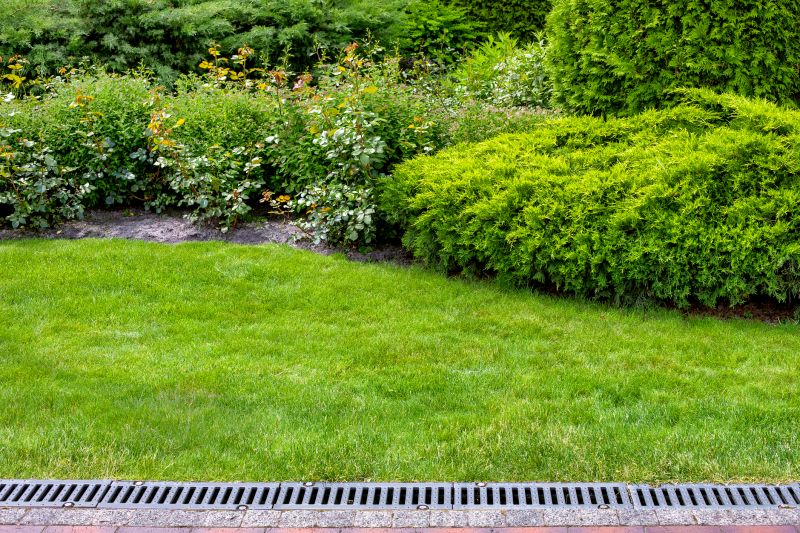
An effective drainage system installed during optimal seasons ensures longevity.
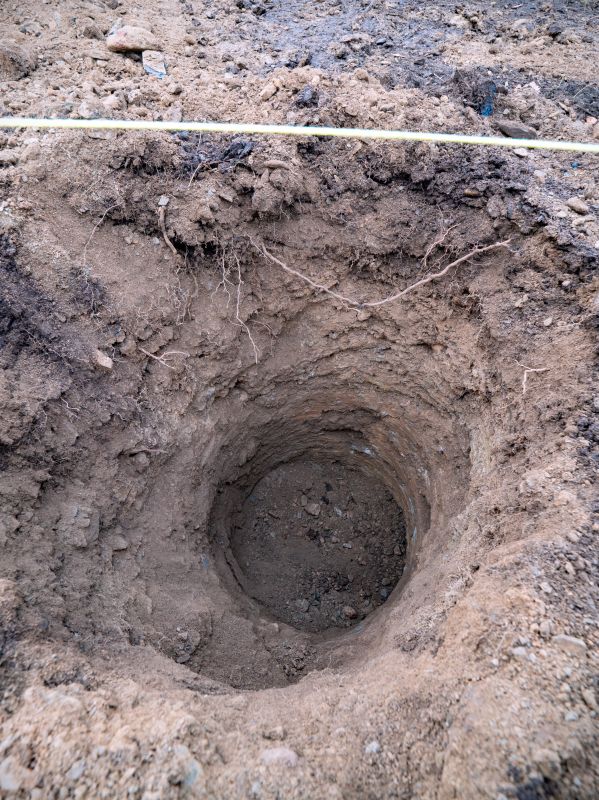
Proper excavation during suitable weather conditions facilitates better installation.
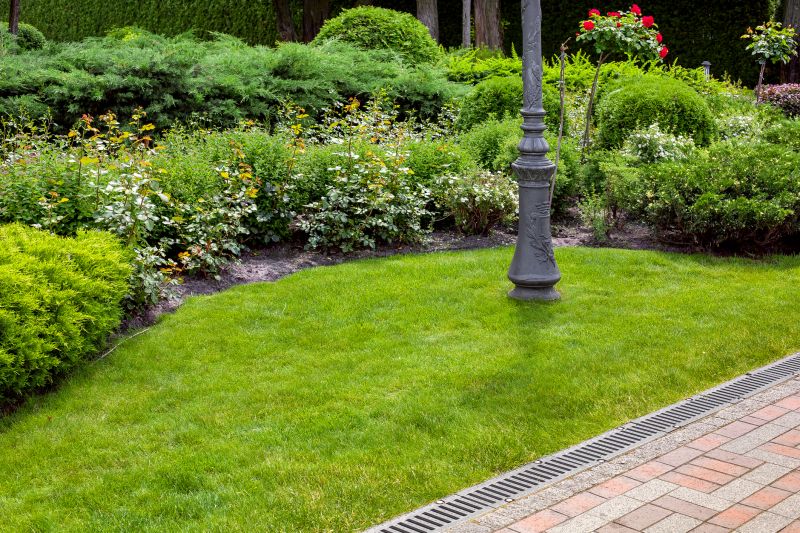
Planning during the right season minimizes disruptions and project delays.
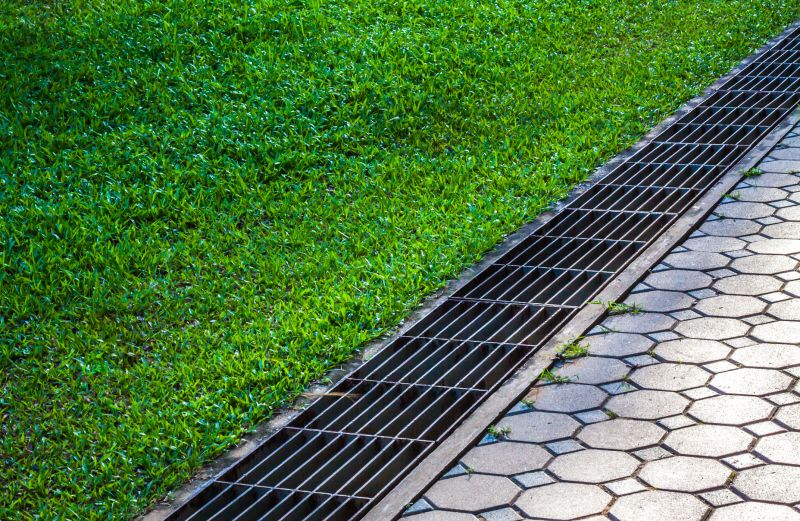
Proper timing ensures water flow is directed efficiently away from vulnerable areas.
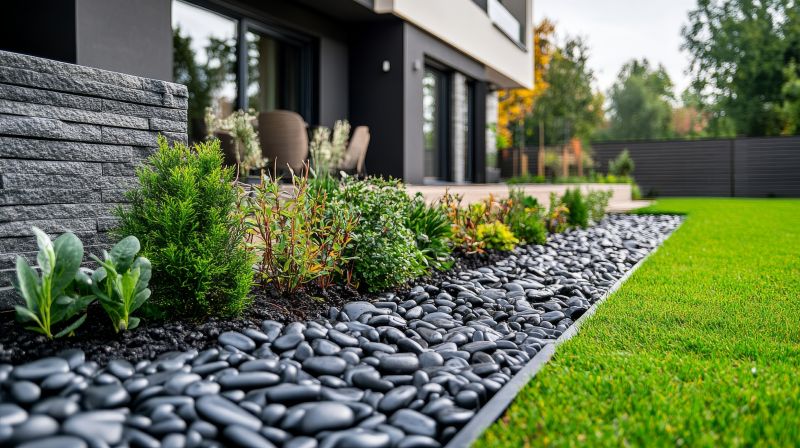
High-end options that actually feel worth it for Landscape Drainages.
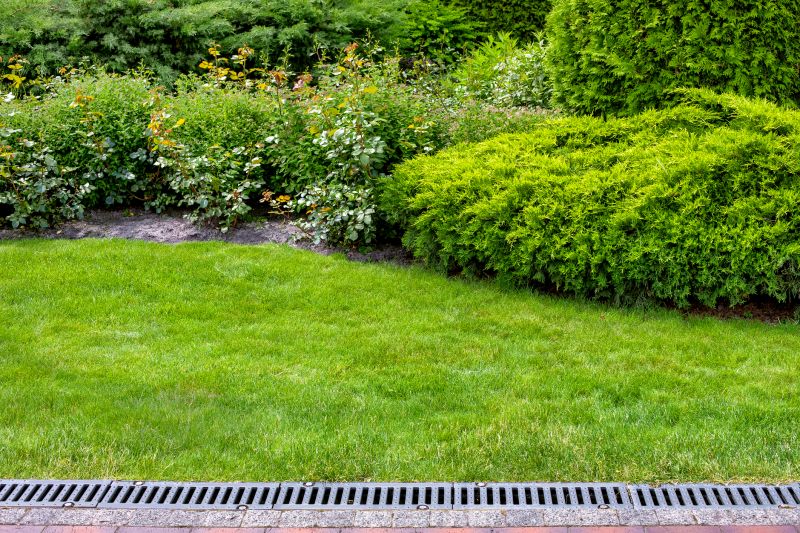
Finishes and colors that play nicely with Landscape Drainages.
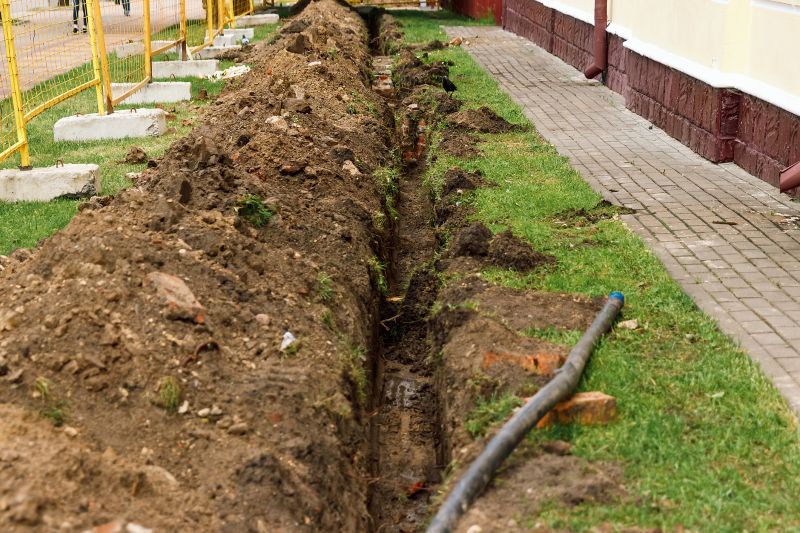
Little measurements that prevent headaches on Landscape Drainages day.
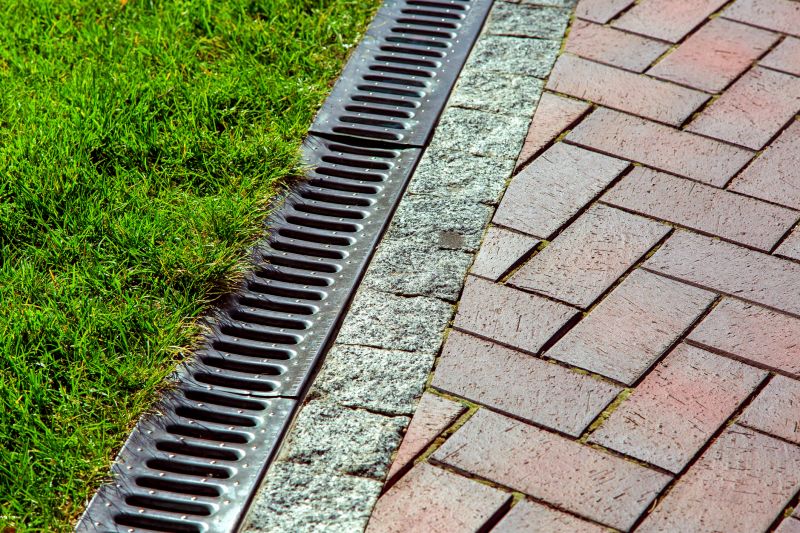
A 60-second routine that keeps Landscape Drainages looking new.
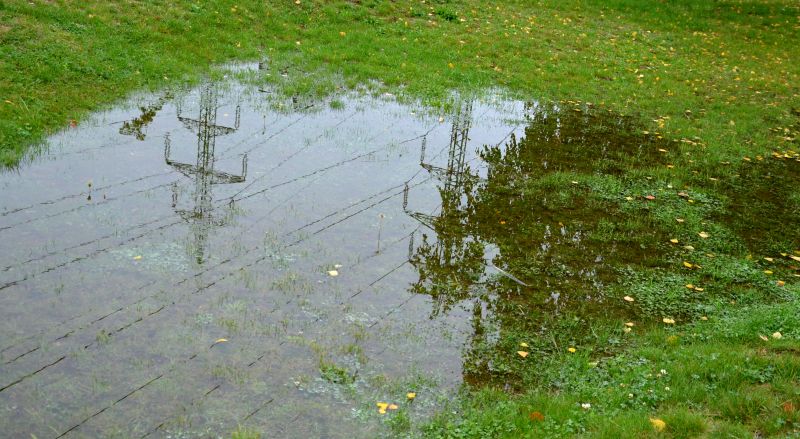
A frequent mistake in Landscape Drainages and how to dodge it.
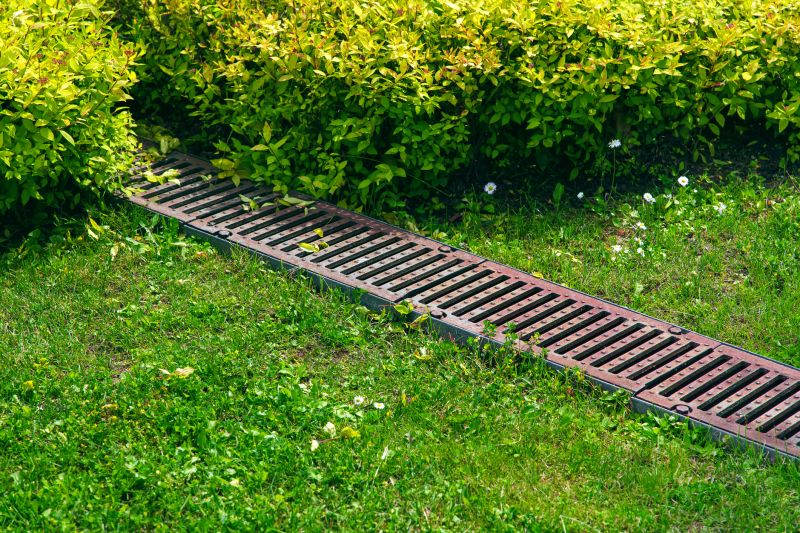
Small tweaks to make Landscape Drainages safer and easier to use.
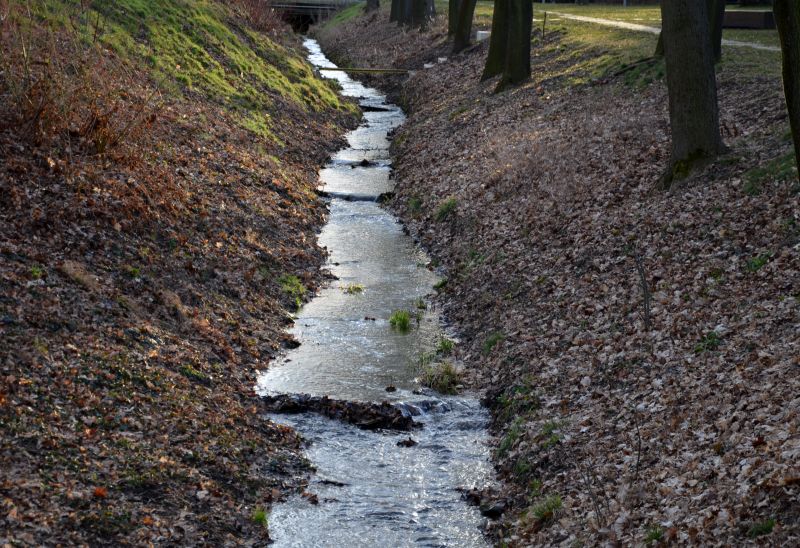
Lower-waste or water-saving choices for Landscape Drainages.
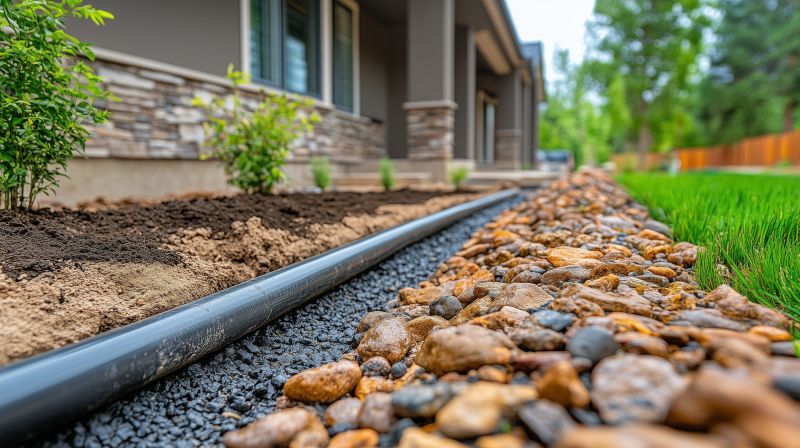
The short, realistic tool list for quality Landscape Drainages.
| Season | Best Practices |
|---|---|
| Spring | Ideal for installation; moderate weather and soil conditions. |
| Summer | Plan and prepare; avoid peak heat for actual installation. |
| Fall | Suitable for completing projects; cooler temperatures and less rain. |
| Winter | Generally unsuitable due to freezing ground and cold temperatures. |
| Late Summer | Possible with favorable weather; requires caution. |
| Early Fall | Good for final touches before colder weather. |
| Early Spring | Optimal for starting projects early in the season. |
Understanding the best timing for landscape drainages ensures effective water management and reduces the risk of future issues. Proper planning and seasonal considerations contribute to the durability and functionality of drainage systems.
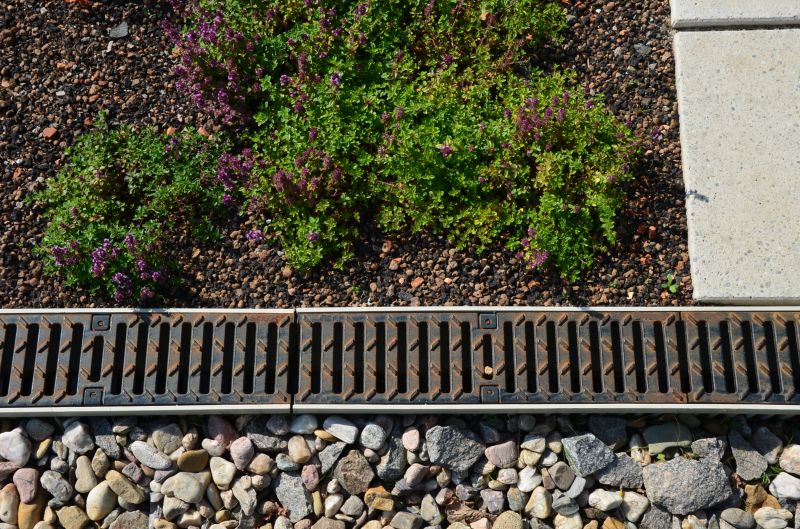
Components installed during optimal seasons perform better over time.

Proper soil prep during suitable weather conditions enhances drainage efficiency.
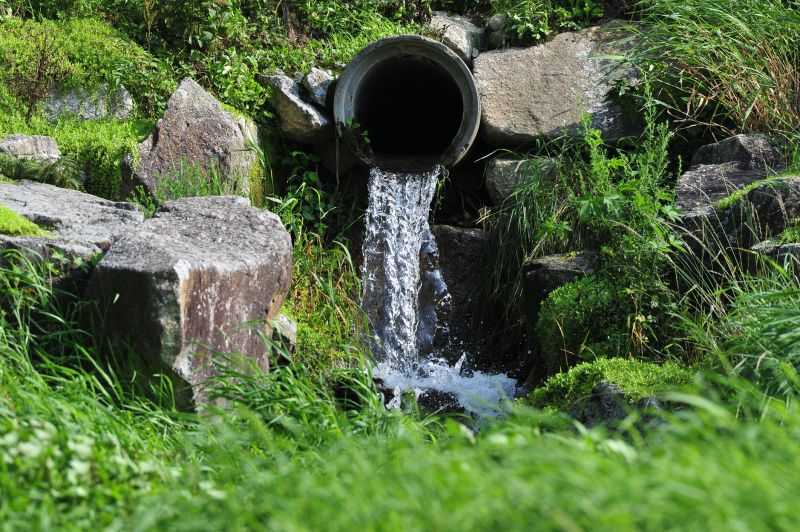
Designing effective pathways is easier during favorable weather periods.
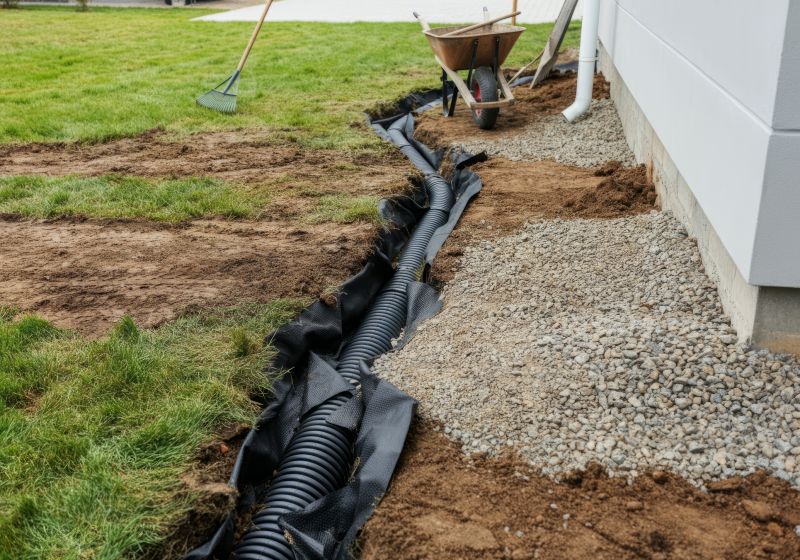
Timing installation correctly reduces maintenance needs.
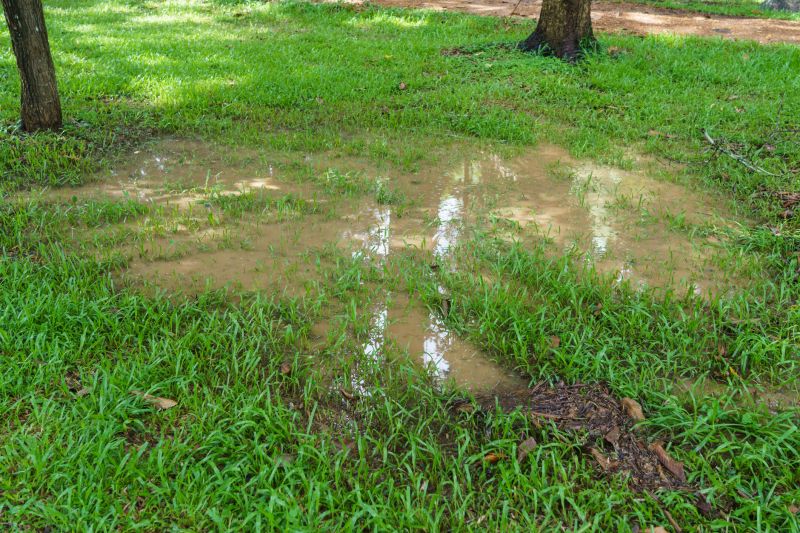
Rough timing from prep to clean-up for Landscape Drainages.
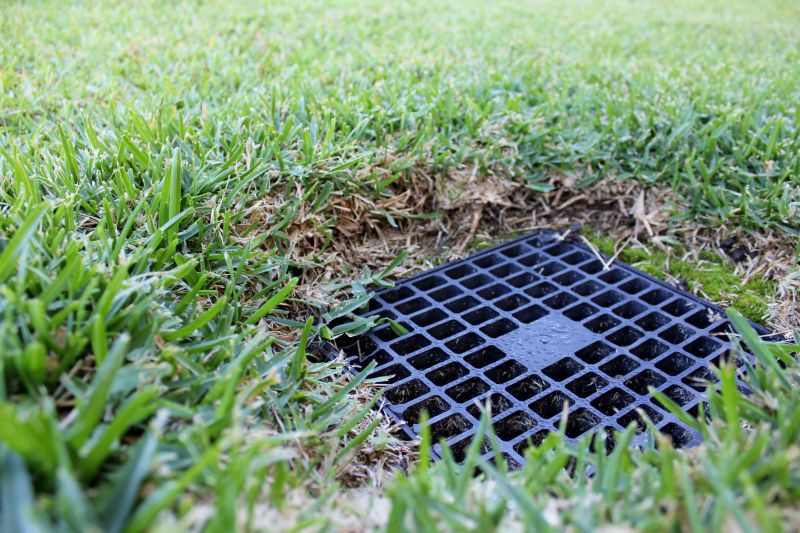
Quick checks and paperwork to keep after Landscape Drainages.
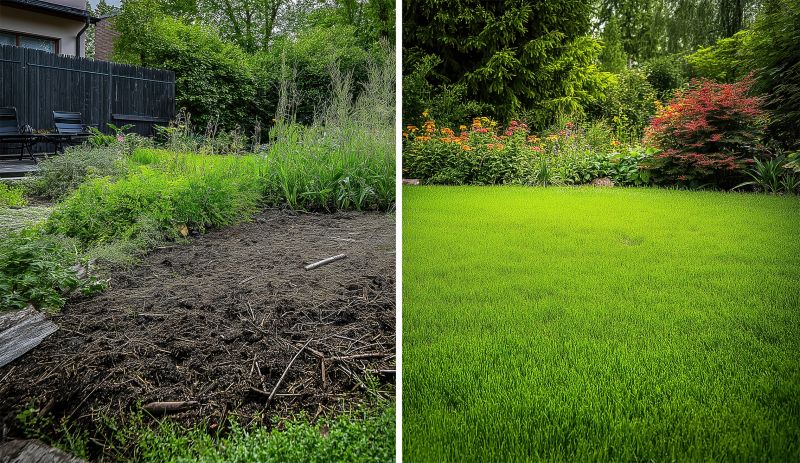
Examples that show the impact a good Landscape Drainages can make.
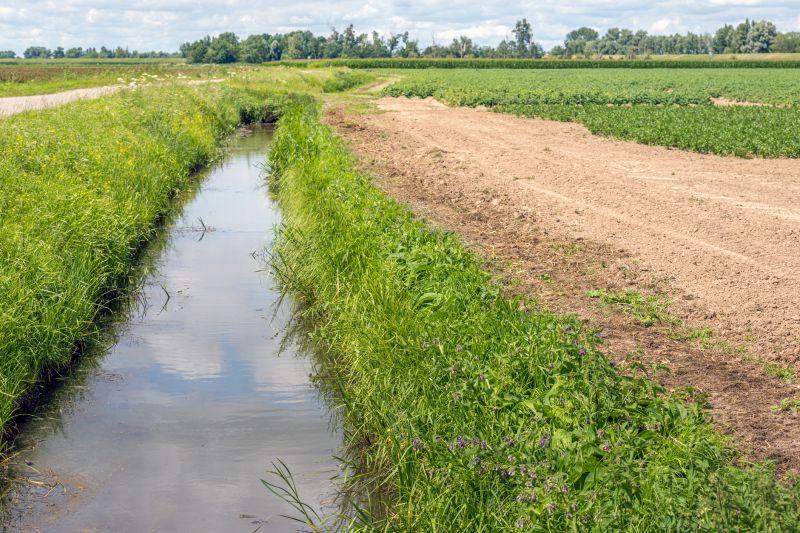
Ways to make Landscape Drainages work in tight or awkward layouts.
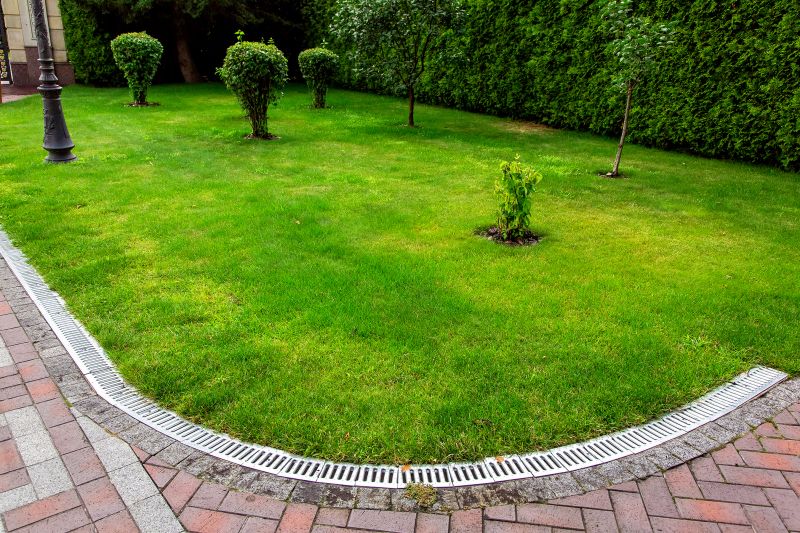
Ways to make Landscape Drainages work in tight or awkward layouts.
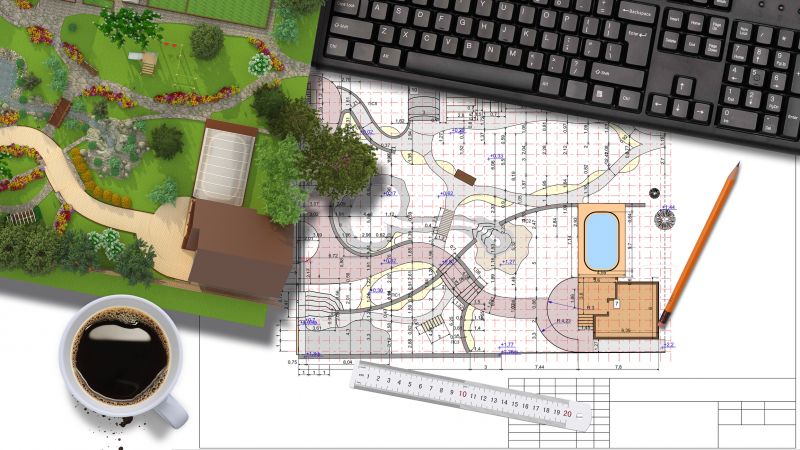
Ways to make Landscape Drainages work in tight or awkward layouts.
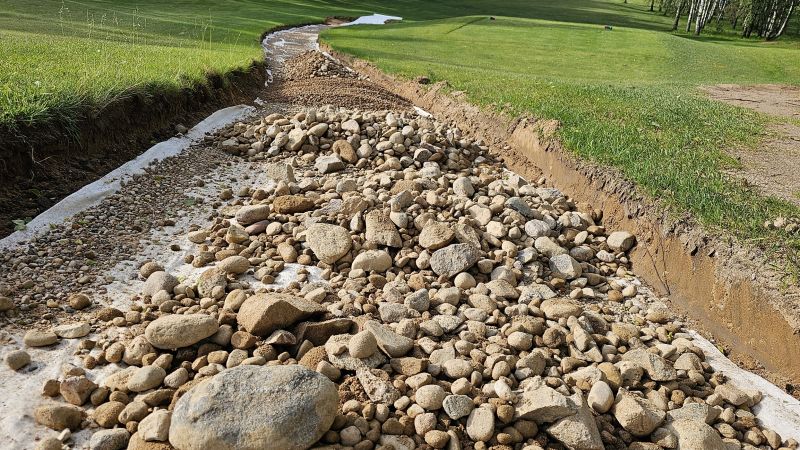
Ways to make Landscape Drainages work in tight or awkward layouts.
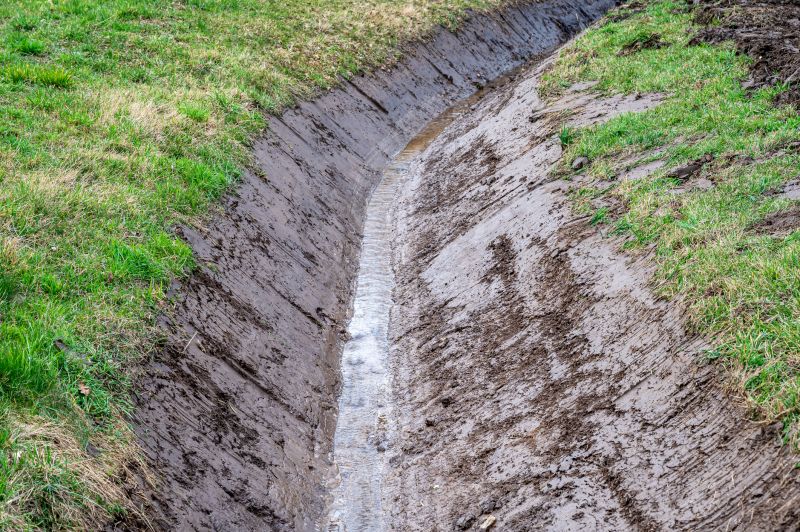
Ways to make Landscape Drainages work in tight or awkward layouts.
Interested in landscape drainages? Filling out the contact form can provide more tailored information and assistance for planning and implementing drainage solutions.