
Ultimate Guide To Landscape Drainage Products For Healthy Outdoor Spaces
Learn about essential drainage products that improve water runoff and enhance the durability of your landscape features.
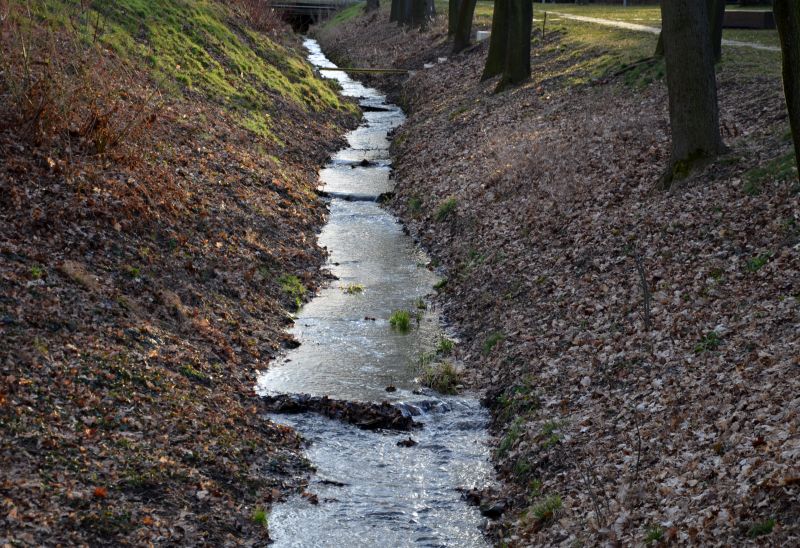 Landscape drainage products are essential components in managing water flow and preventing water accumulation in outdoor spaces. Proper drainage helps protect landscaping, foundations, and structures from water damage while maintaining the aesthetic appeal of gardens and lawns. These products come in various forms, each designed to address specific drainage challenges such as surface runoff, subsurface water buildup, or erosion control. Selecting the right drainage solutions can significantly improve the functionality and longevity of outdoor environments.
Top Overall Option
Flexible Drainage Pipe System
A versatile and adaptable drainage pipe system made from durable, flexible material that can be easily shaped to fit various landscape contours. It allows for efficient water flow management and is suitable for both surface and subsurface drainage applications, making it a popular choice for many landscape projects.
Types of Products For Landscape Drainages
Perforated Drainage Pipes
Corrugated pipes with small holes designed to collect and direct subsurface water away from problem areas.
Drainage Gravel and Aggregate
Loose stones and gravel used to facilitate water movement and prevent soil erosion around drainage systems.
Drainage Fabric and Geotextiles
Porous fabrics that line drainage trenches to prevent soil from clogging pipes while allowing water flow.
French Drains
Gravel-filled trenches with perforated pipes that redirect water away from foundations or low-lying areas.
Drainage Catch Basins
Structural units that collect surface runoff and direct it into pipes or stormwater systems.
Surface Drainage Channels
Open channels or troughs designed to guide excess water across the landscape surface.
Splash Blocks and Erosion Control Mats
Protective devices that prevent soil displacement at drainage outlets and reduce erosion.
Subsurface Drainage Tiles
Pipe systems installed below ground to manage groundwater levels and prevent waterlogging.
Rain Gardens and Bioswales
Landscape features designed to absorb and filter stormwater runoff naturally.
Drainage Pumps
Mechanical devices that actively remove accumulated water from low-lying areas or basements.
Erosion Control Blankets
Mat-like coverings that stabilize soil and prevent erosion during heavy water flow.
Water Diversion Sleeves
Flexible tubes used to redirect water flow around structures or landscape features.
Outlet Boxes
Connects underground drainage pipes to surface drainage points, facilitating water exit.
Drainage Baskets
Containment units that trap debris and prevent clogging of drainage pipes.
Flexible Corrugated Pipes
Flexible piping options suitable for complex landscape contours and difficult terrain.
Stormwater Management Systems
Integrated solutions combining multiple drainage components for comprehensive water management.
Popular Choices
Commonly used for both residential and commercial drainage projects to manage subsurface water.
Widely utilized for creating effective drainage beds and backfill around pipes.
Popular for lining trenches to extend the lifespan of drainage systems.
Frequently chosen for managing water around foundations and in low-lying areas.
Often installed in driveways and walkways to collect surface runoff efficiently.
Commonly used in driveways and patios to prevent pooling of water.
Popular landscape features that help manage stormwater naturally.
Selected for areas where gravity drainage is insufficient or impractical.
Frequently used on slopes to prevent soil displacement during heavy rain.
Commonly installed at the end of underground pipes to facilitate water exit.
Valued for their adaptability in complex landscape configurations.
Chosen for comprehensive water control in larger landscape projects.
Effective drainage starts with understanding the landscape's unique needs. For example, areas prone to heavy rainfall or with poor soil absorption may require more robust drainage systems. Installing appropriate products can help direct excess water away from critical zones, reducing the risk of flooding and soil erosion. Additionally, well-placed drainage solutions can enhance the health of plants by preventing root rot and waterlogging. Whether for residential gardens, commercial landscapes, or public parks, choosing suitable drainage products is a key step toward sustainable landscape management.
When considering landscape drainage products, factors such as soil type, slope, and water volume are important. Proper installation techniques and compatibility with existing landscape features are also crucial. Many drainage products are designed for easy integration into existing landscapes, allowing for seamless water management. Regular maintenance and inspection ensure that drainage systems continue to perform effectively over time. With the right products, homeowners and landscapers can create resilient outdoor spaces that withstand varying weather conditions and water challenges.
Key Buying Considerations
- Assess the specific drainage needs of your landscape, including soil type and slope.
- Determine whether surface or subsurface drainage solutions are appropriate for your project.
- Consider the volume of water that needs to be managed during heavy rainfall events.
- Choose durable materials that can withstand outdoor conditions over time.
- Ensure compatibility of drainage components with existing landscape features.
- Evaluate ease of installation and whether professional help is required.
- Look for products that include or accommodate necessary accessories like connectors and filters.
- Consider maintenance requirements for the drainage system to ensure long-term functionality.
- Identify the appropriate size and capacity of pipes or channels based on water flow estimates.
- Check for compliance with local building codes and regulations regarding drainage.
- Factor in the landscape's aesthetics and how the drainage system integrates visually.
- Plan for future expansion or modifications to accommodate landscape changes.
- Review product warranties and manufacturer support for added peace of mind.
- Consider cost-effectiveness relative to the scope and scale of your project.
- Prioritize safety features, especially if working around children or pets.